Living in Milwaukee, WI: What Life Is Really Like for New Residents
Milwaukee is one of those cities people often underestimate until they actually spend time there. Set along Lake Michigan, it blends Midwestern practicality with a strong sense of local identity, and it tends to surprise newcomers in a good way.
If you are moving for work, family, or simply a change of pace, living in Milwaukee offers a mix of affordability, culture, and access to outdoor space that is hard to find in many larger cities.
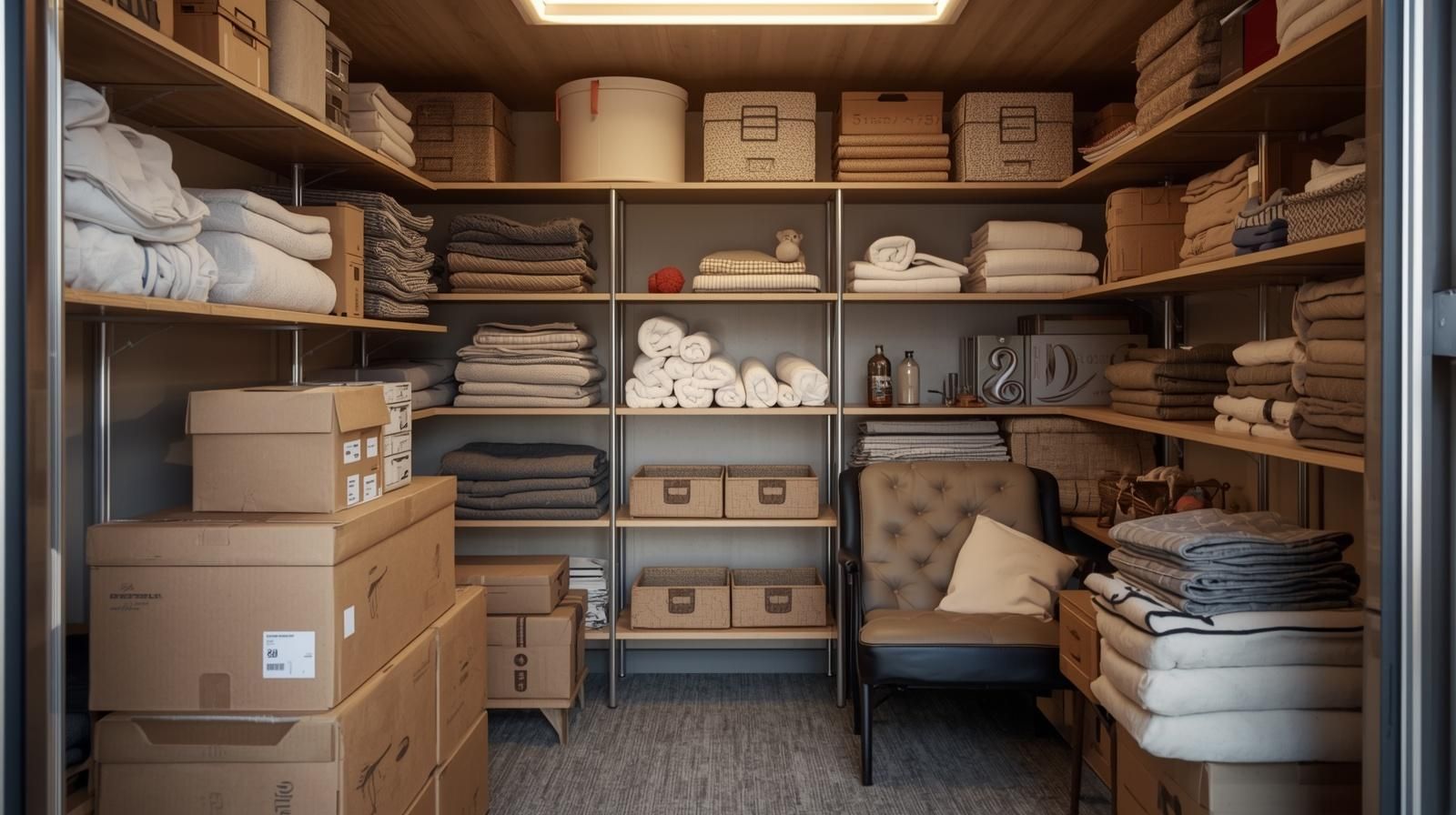
During a move, some people find it useful to lean on self storage in Milwaukee while they get a feel for neighborhoods and housing choices.
Milwaukee does not try to be something it is not. It is a city built around community, tradition, and everyday livability, which is exactly why so many people end up staying longer than they originally planned.
Understanding Milwaukee’s Neighborhoods
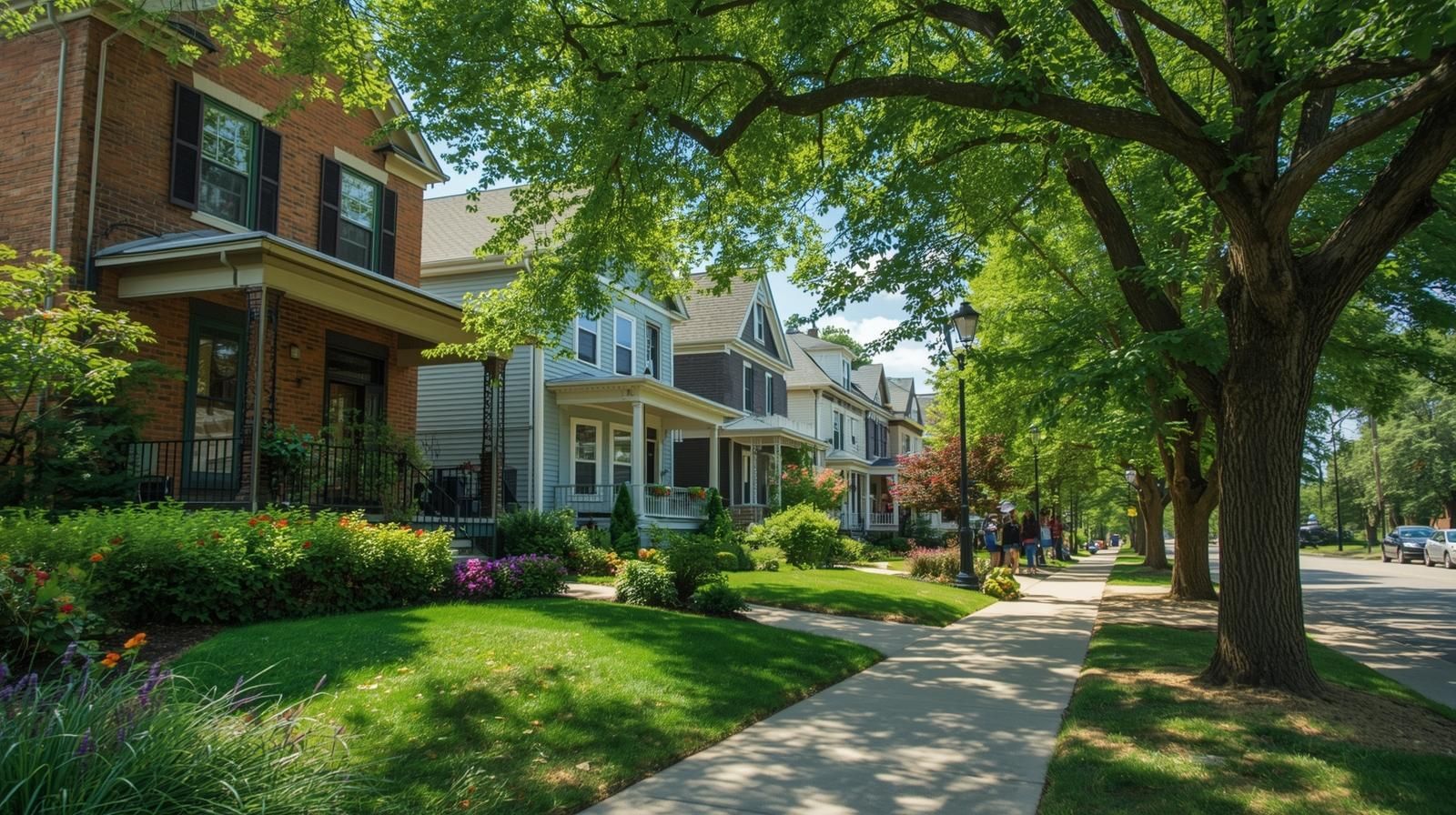
Milwaukee’s neighborhoods play a huge role in shaping daily life. The city is not just one central downtown surrounded by suburbs. Instead, it feels like a collection of smaller communities, each with its own personality.
Bay View is known for its walkability and local businesses, while Riverwest attracts creatives and people who enjoy a more eclectic vibe. The East Side offers easy access to the lake and nightlife, while areas like Washington Heights and Wauwatosa appeal to families seeking quieter streets and larger homes.
Downtown continues to grow, especially around the river and lakefront, but many residents prefer living just outside the core. Taking time to explore neighborhoods before committing to a lease or purchase can make a big difference, and working with experienced real estate agents in Milwaukee can help you narrow down areas that fit your lifestyle and budget.
Cost of Living and Everyday Expenses
One of the reasons Milwaukee continues to attract new residents is its low cost of living. Compared to cities like Chicago or Minneapolis, housing prices and rent are noticeably more manageable.
Many people are surprised by how much space they can afford, especially if they are coming from a larger metro area.
Daily expenses are also reasonable. Groceries, utilities, and dining out generally fall below national averages, which helps residents maintain a comfortable lifestyle without constant financial pressure.
That lower cost of living gives people more flexibility to enjoy what the city offers instead of feeling stretched thin.
Jobs and Employment in Milwaukee
Milwaukee has a long history tied to manufacturing, but the local economy has evolved significantly. Healthcare, education, finance, and professional services now play a major role alongside traditional industries.
Several major employers have deep roots in the region, and the city’s central location allows commuting within southeastern Wisconsin or even into northern Illinois. Remote and hybrid work have also become more common, allowing people to live in Milwaukee while working for companies based elsewhere.
For people researching a move, tools like the Discover Milwaukee Relocation Guide can help paint a clearer picture of job trends, neighborhoods, and lifestyle considerations.
Getting Around the City
Milwaukee is relatively easy to navigate, especially compared to larger urban areas. Many neighborhoods are walkable, and biking is popular thanks to expanding bike lanes and trails.
Public transportation includes an extensive bus system, and the downtown streetcar offers another option for short trips. Most residents still rely on cars, but traffic is generally manageable, and parking is far less stressful than in many bigger cities.
The city’s location also makes regional travel simple, whether you are heading north to Door County, south toward Chicago, or flying out of Milwaukee’s airport.
Weather and Seasonal Changes
Living in Milwaukee means experiencing all four seasons, which shapes how people live throughout the year. Summers are lively and active, with festivals, outdoor dining, and lakefront events filling the calendar.
Fall is cooler and quieter, and many locals consider it their favorite season.
Winters can be cold and snowy, but the city is prepared for it. Snow removal is efficient, and daily life continues even during harsh weather. Spring arrives slowly, but it brings a sense of renewal as outdoor spaces come back to life.
Seasonal living often requires rotating clothing, gear, and household items, which is why organization becomes important for many residents.
Lake Michigan and Outdoor Life
Lake Michigan is a defining feature of Milwaukee life. The lakefront offers miles of paths, parks, and beaches that people use year-round. Morning walks, bike rides, and weekend picnics are part of the routine for many residents.
Beyond the lake, Milwaukee is surrounded by parks and natural areas that make it easy to stay active. Kayaking, fishing, and hiking are popular in warmer months, while winter activities keep people moving once temperatures drop.
Having access to outdoor space without leaving the city is one of Milwaukee’s biggest lifestyle advantages.
Culture, Events, and Things to Do
Milwaukee takes pride in its culture, and it shows in the number of events held throughout the year. Summer weekends are packed with festivals celebrating music, food, and cultural heritage.
Sports also play a big role, and game days bring the city together. Museums, theaters, and music venues provide entertainment year-round, while the lakefront adds a natural backdrop to everyday life.
For anyone new to the area, the Official Visit Milwaukee Visitors Guide is a useful resource for exploring attractions, events, and seasonal activities.
Community and Neighborhood Connections
Milwaukee has a strong neighborhood feel, making it easier to connect with people. Block parties, local markets, and small events help residents get to know one another without much effort.
Many people find that it does not take long to feel part of a community, especially if they spend time supporting local businesses or attending neighborhood events.
This sense of connection is one reason Milwaukee feels approachable, even for newcomers.
Food, Breweries, and Local Favorites
Food is a big part of Milwaukee’s identity. Traditional taverns and supper clubs sit alongside newer restaurants offering global flavors. There is no shortage of casual spots, coffee shops, and neighborhood favorites.
The city’s brewing history remains strong, with breweries spread throughout many neighborhoods. Dining out is usually affordable, which makes it easy to explore without overthinking the cost.
Schools and Education Options
Milwaukee offers a mix of public, private, and charter schools, and families often weigh neighborhood choices alongside school options. The city is also home to several colleges and universities, which contribute to its energy and educational opportunities.
Education plays a role in many relocation decisions, especially for families planning to stay long term.
Moving to Milwaukee and Getting Settled
Relocating to a new city rarely happens all at once, and coordinating timelines with moving companies in Milwaukee can help make the transition smoother and less stressful. Many people move in stages, especially when they are unfamiliar with neighborhoods or are waiting for housing to become available.
Using storage during a move can help simplify the transition by allowing people to downsize temporarily and avoid clutter while settling in. It also provides flexibility if plans change or housing timelines shift.
Staying Organized in Milwaukee Homes
Living comfortably in Milwaukee often comes down to how well you manage space. Apartments, condos, and even single-family homes benefit from thoughtful organization.
Residents commonly store seasonal gear, winter clothing, bikes, and holiday decorations to keep living spaces functional, and understanding how much storage costs in Milwaukee helps households choose the right solution without overspending.
Is Milwaukee a Good Long-Term Choice
For many people, Milwaukee strikes the right balance. It offers career opportunities, affordability, and culture without the intensity of larger cities.
Families appreciate the space and community feel, young professionals enjoy the social scene, and retirees value the cost of living and access to healthcare. Milwaukee allows people to build a lifestyle that feels sustainable over time.
Final Thoughts on Living in Milwaukee
Milwaukee continues to draw people who want a city that feels livable rather than overwhelming. Its neighborhoods, lakefront, and sense of community make it easy to settle in and feel connected.
If you are planning a move, giving yourself flexibility during the transition can make a big difference.
Using local storage solutions like
StorMark Storageallows you to take your time, explore the city, and build a routine that fits your life in Milwaukee.